Gifts for siblings to share: ideas for different ages
A shared present works when both can use it at the same time and neither has a clear advantage. Cooperative games, free-building sets and outdoor kit fit the bill. Choose by the younger one's age and the older one's patience.
One big present for everyone instead of several small ones saves on parcels and lets you buy something better. But ‘to share’ often fails: it ends up belonging to the older one, or to whoever opened it first. Whether it works depends on what you choose.
What it has to do
- It is used at the same time, not in long turns. If one watches while the other plays, it is not shared.
- The younger one can really take part, instead of just ‘helping’.
- The older one does not get bored. There has to be something to do at their level.
- There is no single controller, steering wheel or star piece to fight over.
The minimum age on the box is set by the younger sibling, especially if they are under 3 and there are small parts. In that case, the present is kept up high and used when the little one is asleep or with an adult present.
What to choose by age gap
| Gap | What tends to work | What tends to fail |
|---|---|---|
| 1 or 2 years | Almost everything: board games with rules, model-based building sets, science | Anything competitive, if one always wins |
| 3 or 4 years | Cooperative games, free building, crafts, outdoor play | Strategy games, sets with long instructions |
| 5 years or more | Free building, outdoor kit, games of physical skill | Almost any board game with rules |
Board games
With a small age gap, almost any family game will do. With a bigger one, look for one of these three things:
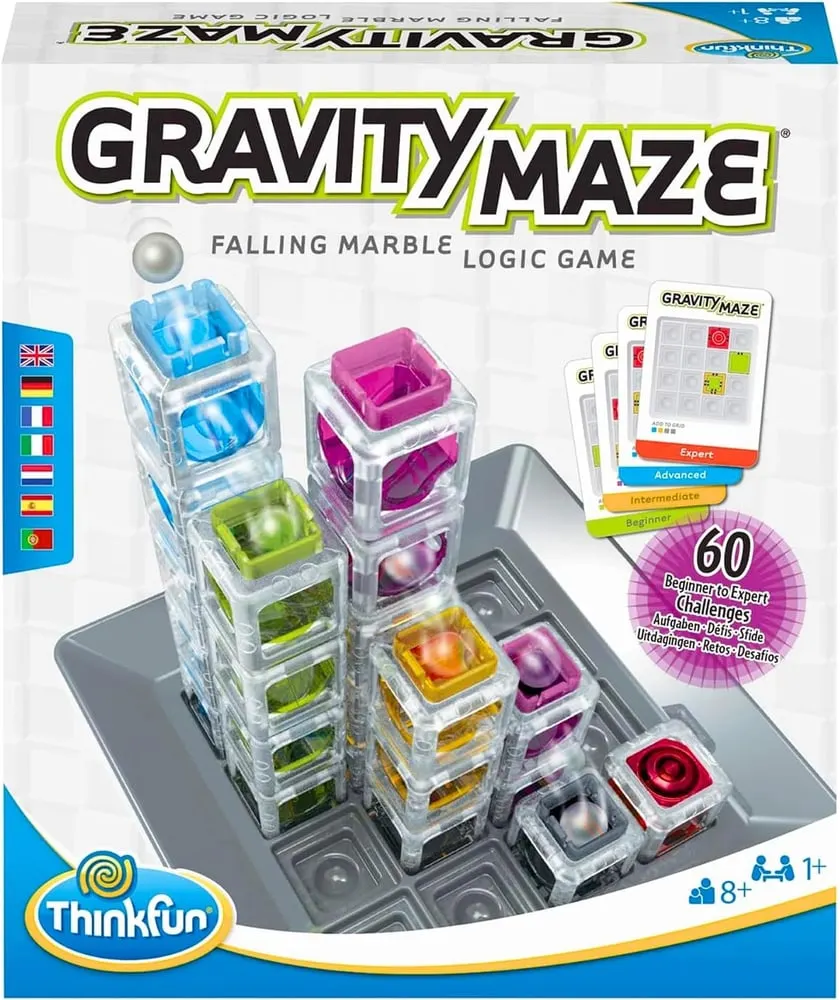
- Cooperative games. You play against the board, and the older one helps the younger instead of beating them.
- Games of luck or physical skill. Dice, balance, speed: the younger one has a real chance.
- Team games. An adult paired with the younger one evens things up.
The drawback: many games need three or four players to be any fun. If there are two siblings, check on the box that it plays well with two, or expect to be playing yourselves. There are ideas in board games.
Building
There are two types, and they do not serve the same purpose.
- Free-building pieces (blocks, magnetic pieces, boxes of bricks with no model): each child builds at their own level with the same material. This is what copes best with big age gaps.
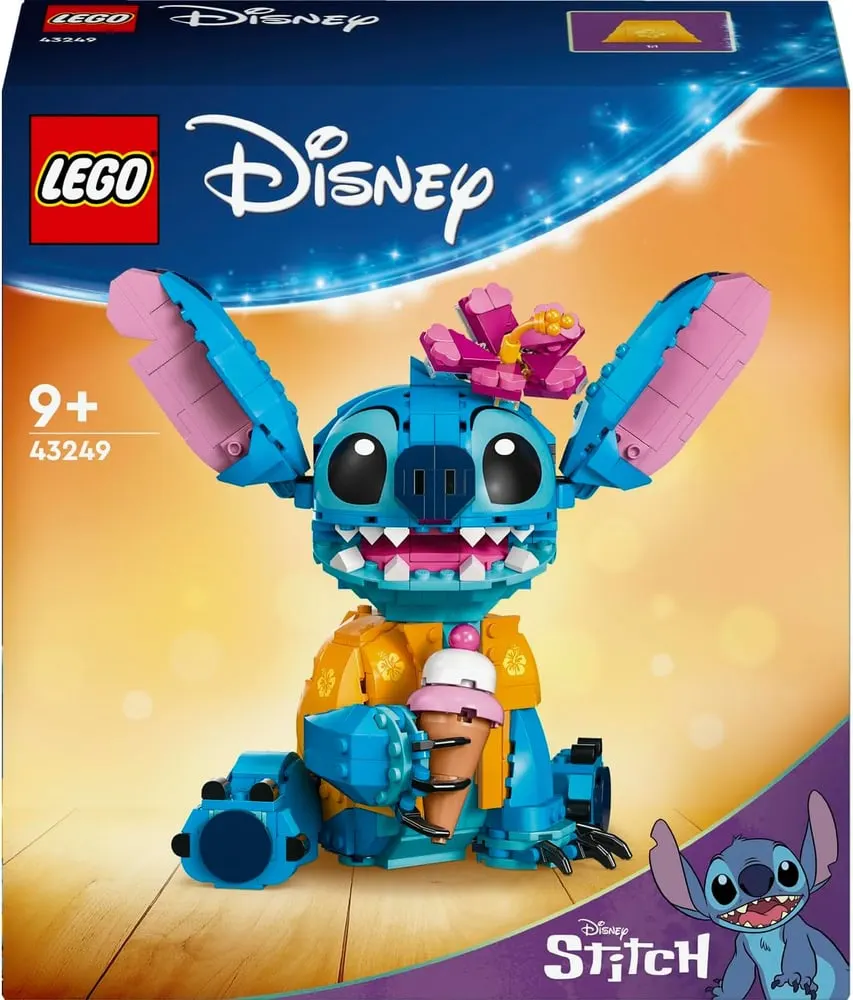
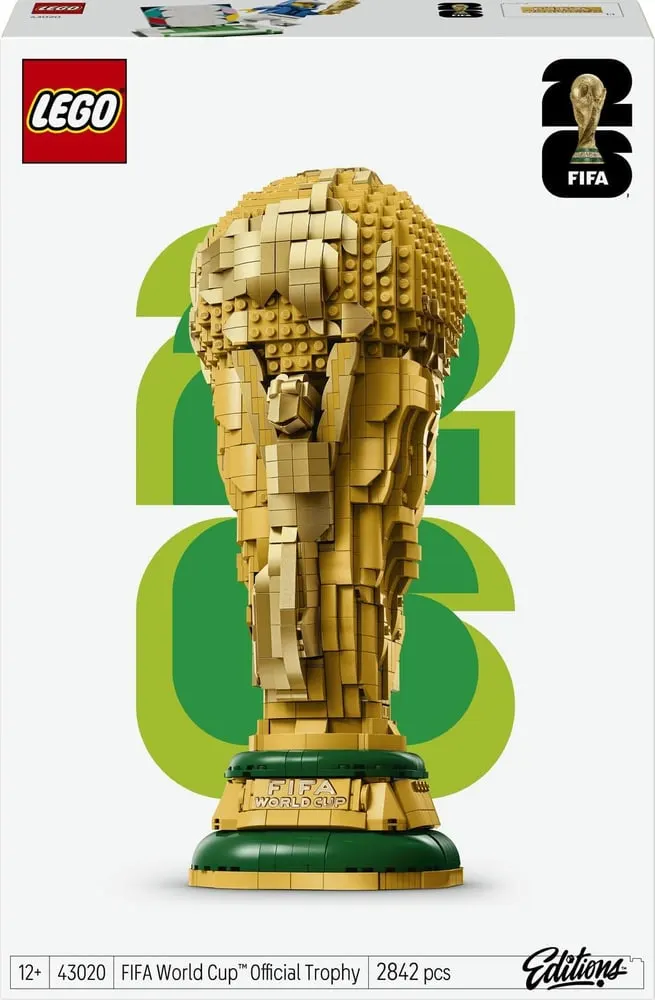
- Sets with a model and instructions: one child builds them, normally the older one, and afterwards the other is not allowed to touch. They only work as a shared present if the siblings are close in age or if the set comes with several small models.
In an October 2026 survey by Amazon and Beruby, building sets were the favourite type of toy, named by 61% of those surveyed. This figure comes from a shop and is about buying preferences, not about what works between siblings, but it explains why there is so much to choose from. Look in building.
Outdoors
This is the category where age matters least, because each child uses it in their own way: a goal, rackets, a kite, throwing games. Two things worth knowing beforehand:
- In January it gets dark early. If you do not have a patio or a park nearby, it will get its first outing in spring.
- Anything that comes in a size, such as skates, bikes or helmets, cannot be shared. That is an individual present.
Other ideas that share well
- Arts and crafts with plenty of material, so each can do their own thing at the same table.
- Science, if the older one is 8 or over and enjoys explaining. If not, they do the experiments alone.
- A set of books the older one can read aloud.
So it does not end in a fight
- Say from the start that it belongs to both of them, and where it is kept. A shared place, not one child’s bedroom.
- Add a small individual present for each. Without it, one of them may feel they have not been given anything of their ‘own’. The ideas in under €20 will do.
- Play with them the first few times. The rules of use are set in those days.
A shared present also helps keep the total down. We explain it in how many Reyes (Three Kings, 6 January) presents per child.